EDA software sits at the expensive end of the engineering software spectrum. Synthesis tools, place-and-route platforms, simulation environments, verification suites – the per-seat costs are high, the licensing models are complex, and the usage patterns are more...
Blogs
Your Engineering License ROI Calculation: See What You Could Save
Most organizations that invest in license optimization do so because something broke. A budget meeting got uncomfortable, an audit surfaced unexpected exposure, or a VP asked a question nobody could answer. The decision to act usually comes after the waste has already...
The Hidden Visibility Gap in Named-User License Environments
When organizations move from floating license pools to named-user licensing, the transition is usually sold as a simplification. One seat, one person, clear accountability. No more queuing. No more license server contention. On paper, it looks like the messy,...
Top 5 Software License Audit Failures: How to Avoid Them
Software license audits have a way of showing up unannounced and asking difficult questions. For many organizations, especially those managing complex engineering environments, these audits expose more than just gaps. They reveal blind spots in processes, assumptions,...
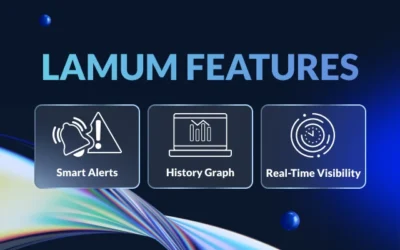
3 LAMUM Features That Drive Long-Term Software License Efficiency
In today’s engineering environments, software is the engine that keeps innovation moving forward. Still, without proper license management, even the best tools can turn into bottlenecks. Teams face denied access, unused licenses sit idle, and costs quietly creep...
CAD License Optimization 101: A Survival Guide for Engineering Managers
Many engineering managers fail to see that CAD license problems rarely start with software. They start with behavior, visibility, and assumptions. When an engineer says, “I can’t get a license,” the instinctive response is often to buy another seat. When finance asks...
How Poor Management of License Assets Affects Engineering Productivity
Poor management of software license assets leads to hidden costs, frustrated engineers, and stalled product roadmaps. For engineering teams that rely on expensive EDA and CAD tools, a single bottleneck at the license server can ripple across multiple projects. This...
Combating License Abuse
License abuse is one of the hidden perils of floating software licenses, costing companies enormous amounts of money without them realizing it. Imagine this - A well-meaning engineer needs to work on various projects through out the day, but is worried from previous...
The LAMUM NX1.0 Experience
By Paul Riviere - Head of Sales, TeamEDA It’s here! LAMUM NX1.0, the next generation of LAMUM, has launched. With a new look and feel to the user interface, making It sleeker and more agile, LAMUM NX1.0 is ready to address your engineering Software License Management...
TeamEDA Releases LAMUM NX1.0
We’re proud to announce the release of LAMUM NX1.0, the next generation of engineering software license management and monitoring. Leveraging our License Asset Manager with Usage Monitoring (LAMUM)’s best-in-class functionality and reporting power, LAMUM NX1.0 is a...
LAMUM vs. In-House Scripts & Tools
For most engineering companies worldwide, the cost of engineering software licenses is the second largest overhead expense they face. Despite the considerable investment spent on these licenses, their management and monitoring is usually done via in-house scripts or...
Mergers, Acquisitions & Staffing Changes: Are You Ready?
Right now is a critical time for many companies to make crucial decisions about acquisitions, mergers and changes in staffing. As organizations are thinking about ways to move forward, it is becoming increasingly important to consider what engineering licenses are...
Can You Improve Planning with Better Engineering License Management?
In today’s engineering landscape, companies rely on an increasing number of specialized software tools to complete their projects. But does your organization use multiple products with overlapping features? As we’ve discussed in our previous blogs, it’s essential to...
3 Ways to Bring More Visibility to Engineering Applications
Many companies struggle to fully understand how employees are utilizing expensive software and other digital resources. While Shadow IT – the use of unauthorized software or tools by employees – isn’t a new phenomenon (it existed well before COVID), the shift to...
Are You Ready for the “Great Rehiring”?
Understand your idle license count so you can hire more engineers!! We have recently noticed many companies talking about the “great rehiring“. This year, many organizations had to think about their engineering staff counts and making sure they use their engineering...
License Server Consolidation & FlexLM License Usage Billing
Are your engineering managers frustrated about paying for software licenses that aren’t being used in certain regions? If so, you’re not alone. As engineering organizations expand across borders, license visibility and cost allocation become increasingly difficult to...
In-Depth: LAM Tabs Explained
Track any of the following data for license inventories by: Vendor information (name, tool, quantity, # seats)Dates (Acquired, renewals and terms)Purchase type (Subscription, Perpetual,….*)Restrictions on use (WAN, LAN, Node,.…*)Costs and associated PO, ReqRelated...
Software Audit Compliance & Types of Licenses
Licensing for engineering software can be node-locked, named-user, or floating (also called concurrent-use). Floating is most popular because licenses can be shared. However, the Vendor puts a restriction on how much sharing can occur. Floating licenses can be WAN...
Are Your Estimates Used for Usage Reporting, Strategy Trends or Chargebacks Accurate?
Engineering software is very expensive, with licenses (seats) costing as much as $100,000 each. CAD on average might cost $5-10,000 a seat. CAE $10-20,000 a seat. EDA $20-$50k a seat. Controlling these costs is a management imperative. What do you need? Understanding...
Optimize Your Remote Engineering Workforce & ROI
Research is forecasting that the "Office Environment" might not come back after the Pandemic. Most of the work force is working from home and this causes plenty of strain on the production process. See article from Pew Research. The ability to talk with a co-worker...